Meta Description: Planning a trip from Casablanca Mohammed V International Airport to Merzouga? Discover transfer options, desert camp tips, top attractions, and essential travel advice for your Sahara adventure.
Have you ever dreamed of standing atop a golden sand dune, watching the sunset paint the Sahara in shades of orange and purple? That dream starts the moment you land at Casablanca Mohammed V International Airport. But let’s be real—getting from Casablanca to Merzouga isn’t just a transfer. It’s the beginning of one of Morocco’s most epic road trips.
I’ve traveled this route more times than I can count, and trust me, the journey matters as much as the destination. The landscape transforms before your eyes. One minute you’re in bustling Casablanca, and hours later, you’re sipping mint tea with Berber nomads as the stars emerge over Erg Chebbi.
In this guide, I’ll walk you through everything you need to know about your Casablanca to Merzouga transfer. We’ll cover transport options, pricing, must-see stops along the way, and exactly what awaits you in the desert. Ready to plan your Sahara escape?
Why Travel from Casablanca to Merzouga?
Here’s the thing about Morocco—it’s a country of dramatic contrasts. Casablanca represents modern Morocco with its Art Deco architecture and economic pulse. Merzouga? It’s timeless. The desert hasn’t changed much in centuries.
Taking this route gives you a cross-section of everything magical about this country. You’ll witness the transition from Atlantic coast to mountain passes to palm-filled valleys before the Sahara finally unfolds before you.
The journey itself is packed with experiences that deserve more than just a passing glance. That’s why a private transfer with stops along the way isn’t just transportation—it’s a curated adventure.
Why travelers choose this route:
- The Road Trip Factor – At approximately 621 kilometers , this drive delivers ever-changing scenery that keeps your camera busy
- Cultural Immersion – You’ll pass through Berber villages, UNESCO sites, and ancient kasbahs
- The Sahara Payoff – Nothing compares to your first glimpse of Erg Chebbi’s dunes rising from the desert floor
- Photography Gold – From the High Atlas mountains to the Valley of Roses, every stop offers frame-worthy moments
Let’s be honest—you could fly into Errachidia and take a bus to Merzouga. But you’d miss the soul of Morocco that reveals itself along the roads less traveled.
Casablanca to Merzouga Transfer Options & Pricing
When it comes to getting from Casablanca airport to the Sahara, you’ve got choices. I’ve broken them down so you can pick what fits your travel style and budget.
Private Transfer Services
For most travelers, a private transfer hits the sweet spot between comfort and value. The source URL for this article offers reliable transfers with several vehicle options [citation:source].
Available vehicle types:
- Economy Sedan – Perfect for couples or solo travelers with moderate luggage. Comfortable for the long drive, with air conditioning (trust me, you’ll need it).
- Minibus – Ideal for groups of 4-6 people or families. Extra legroom means everyone stays happy during the 8-9 hour journey.
- Luxury Vehicle – If you’re celebrating something special or just appreciate finer travel, upgraded vehicles offer premium comfort.
- 4×4 SUV – For those wanting to explore some rougher terrain or travel during seasons when road conditions vary.
Pricing considerations:
- Prices typically vary based on vehicle type and group size
- Most transfers include fuel, tolls, and a professional driver
- Many services offer door-to-door convenience from your Casablanca airport arrival to your Merzouga accommodation
Alternative Transport Options
If you’re traveling on a tighter budget or prefer public transport, here’s what you should know:
Train + Bus Combo – The cheapest option at around $45-70 per person . Take the train from Casablanca to Meknes (about 3.5 hours), then catch a bus to Merzouga (another 8.5 hours). Total journey time: approximately 13-14 hours.
Bus Only – CTM and Supratours operate buses from Casablanca to Errachidia, then you’ll need a connecting bus to Merzouga. Expect 14-15 hours of travel time .
Fly + Bus – Royal Air Maroc flies from Casablanca to Errachidia (about 1 hour), then a 2.5-hour bus to Merzouga. Total time: around 4.5-6 hours, but costs more and requires coordinating schedules .
Why private transfer wins:
- Freedom to stop whenever something catches your eye
- No lugging suitcases onto trains and buses
- Air conditioning that actually works
- Door-to-door service after a long flight
- Ability to break the journey into multiple days with stops
For most travelers, the extra cost of a private transfer pays for itself in sanity saved and experiences gained.
Best Attractions in Casablanca
Before you head east, Casablanca deserves at least a few hours of your time. Morocco’s economic capital often gets overlooked by travelers rushing to Marrakech, but that’s a mistake.
Hassan II Mosque
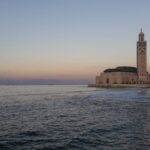
This is non-negotiable. Perched on the Atlantic coast, the Hassan II Mosque boasts the world’s tallest minaret at 210 meters. Part of it actually sits over the ocean, fulfilling the Quranic verse that “the throne of God was on the water.”
Insider tips:
- Guided tours run several times daily (check schedules in advance)
- Non-Muslims can enter, unlike many Moroccan mosques
- Go late afternoon when the light hits the intricate tilework perfectly
- The retractable roof is an architectural marvel
The Cornish
Casablanca’s seaside promenade stretches for kilometers along the Atlantic. It’s where locals come to walk, jog, sip coffee, and watch the waves crash against the rocks.
What to do:
- Grab a coffee at one of the seaside cafes
- People-watch as the sun goes down
- Snap photos of the Hassan II Mosque from across the water
- Sample street food from vendors (the grilled corn is surprisingly good)
Habous Quarter
Step into the Habous Quarter, and you’ll feel like you’ve traveled back in time. Built by the French in the 1930s, this “new medina” blends traditional Moroccan architecture with European influences.
Don’t miss:
- The Royal Palace gate (photos only from outside)
- Traditional bakeries where you can watch bread being made
- Leather goods and crafts without the intense medina sales pressure
- Small cafes perfect for a mint tea break
Quartier des Habous
This neighborhood offers a more relaxed shopping experience than the hectic medinas of other cities. Browse for leather goods, textiles, and ceramics at your own pace.
Mahkama du Pacha
This administrative building showcases incredible Moroccan craftsmanship. While parts are closed to the public, you can sometimes arrange visits to see the ornate courtyards and reception halls.
Quick Casablanca tip: The city sprawls, so having a driver who knows the roads saves precious time. If your transfer includes a Casablanca pickup, consider asking for a brief city tour before heading east.
Best Restaurants & Hotels in Casablanca
Top Casablanca Restaurants
Rick’s Café
Yes, it’s a tourist draw. No, that doesn’t matter. Modeled after the famous cafe in the film “Casablanca,” this beautiful restaurant serves solid international and Moroccan food. The atmosphere, complete with piano music, makes it worth a visit. Book ahead—tables fill fast.
La Sqala
Set within historic Portuguese walls, La Sqala offers a peaceful garden setting perfect for lunch. The Moroccan dishes shine here, particularly the pastilla and lamb tagine. Arrive hungry—portions are generous.
Al Mounia
If you want classic Moroccan dining in an elegant setting, Al Mounia delivers. The courtyard garden transports you to another era. Their couscous (especially on Fridays) draws locals and travelers alike.
Le Cabestan
Perched on the coast with stunning ocean views, Le Cabestan serves French-Moroccan fusion. It’s pricey by local standards, but the sunset views make it worth the splurge for a special meal.
Street Food Notes:
For quick eats, grab sardine sandwiches (a Casablanca specialty) or msemen (flaky fried bread) from street vendors. The area around the central market offers the freshest options.
Best Casablanca Hotels
Four Seasons Casablanca
Luxury at its finest, with ocean views, impeccable service, and a prime location. The pool area feels like an oasis away from the city bustle.
Hotel & Spa Le Doge
Art deco lovers, this one’s for you. This boutique hotel in the city center captures 1930s elegance with modern comforts. Each room has unique decor.
Kenzi Tower Hotel
Housed in one of Casablanca’s iconic twin towers, this hotel offers panoramic city views. The location works well for business travelers or those wanting easy access to multiple neighborhoods.
Relax Hotel Casablanca
Mid-range travelers appreciate the reliable comfort here. It’s not fancy, but it’s clean, well-located, and the staff goes above average.
Dar Diafa
For a more intimate experience, this small guesthouse in the Habous Quarter offers traditional decor and personal service. It’s a great choice if you want to wake up in the historic district.
The Journey: What You’ll See Along the Way
A private transfer from Casablanca to Merzouga isn’t just about covering distance. The route itself delivers some of Morocco’s most spectacular scenery. Here’s what you can expect on the road.
The High Atlas Mountains
As you leave Casablanca behind, the landscape gradually transforms. The flat coastal plains give way to rolling hills, then the dramatic High Atlas appears on the horizon.
Tizi n’Tichka Pass – At 2,260 meters, this mountain pass offers breathtaking views and switchbacks that keep drivers alert. Snow can close it in winter, but summer brings clear skies and cool mountain air.
Ait Ben Haddou
This UNESCO World Heritage site deserves more than a quick photo stop. The ancient ksar (fortified village) has appeared in films like “Gladiator,” “Game of Thrones,” and “Lawrence of Arabia.”
Why stop:
- Climb to the top for panoramic valley views
- Explore narrow streets lined with traditional buildings
- Meet locals who still live within the ancient walls (though fewer each year)
- Shop for crafts without the intensity of Marrakech’s souks
Ouarzazate
Often called the “Hollywood of Africa,” Ouarzazate houses Atlas Studios, where countless films and TV shows were shot. Even if you skip the studio tour, the town offers a pleasant stop with good restaurants and the impressive Taourirt Kasbah.
Valley of Roses
If you travel during spring (April-May), the Valley of Roses bursts into bloom. The Damask roses grown here perfume the air and end up in everything from essential oils to cosmetics sold throughout Morocco.
Dades Gorge and Todra Gorge
These dramatic canyons offer some of Morocco’s most spectacular scenery. Todra Gorge, in particular, narrows to a gap where cliff walls rise 300 meters on either side .
Pro tip: If your transfer allows, spending a night in this area breaks the journey perfectly. The sunset light on the red rock formations creates photography magic.
Ziz Valley
As you approach Merzouga, the Ziz Valley announces the desert’s approach. Thousands of palm trees cluster along the river, creating a green ribbon through increasingly arid landscapes .
Erfoud
This town serves as the gateway to the desert and has a fascinating claim to fame: fossils. The region’s Devonian-era marine fossils appear in polished slabs used for tabletops, countertops, and decorative items throughout Morocco.
Stop at a fossil workshop – Watching craftsmen reveal ancient creatures from stone makes for a memorable break.
Best Attractions in Merzouga
Finally—the Sahara. Merzouga itself is a small village, but it’s your launchpad for desert adventures that will stay with you forever.
Erg Chebbi Dunes
These aren’t just any sand dunes. Erg Chebbi rises to 150 meters in places, stretching for 50 kilometers along the Algerian border. The color shifts throughout the day—pale gold at midday, deep orange at sunset, purple-tinged at twilight.
What to do:
- Watch sunrise from atop the highest dune (worth the early wake-up)
- Photograph the dunes at golden hour when shadows create dramatic patterns
- Simply sit in silence and appreciate the vastness
Camel Trekking
Yes, it’s touristy. Yes, you should still do it. Riding a camel into the desert as the sun sets connects you to centuries of caravan trade history .
What to expect:
- Treks typically last 1-2 hours to reach desert camps
- Camels move slowly and steadily—not uncomfortable, but not smooth either
- Your guide will take photos and share desert wisdom
- Sunset from camelback delivers views you won’t forget
Ethical consideration: Ask about animal welfare before booking. Reputable operators treat their camels well, limiting rides and providing proper care .
Desert Camps
Spending a night in a desert camp ranks among Morocco’s top experiences. Options range from basic to surprisingly luxurious.
Standard camps offer shared tents with mattresses, blankets, and communal bathroom facilities. Dinner typically features tagine cooked over desert fires, followed by drumming circles under the stars.
Luxury camps provide proper beds, private bathrooms, and sometimes even air conditioning . Prices reflect the amenities, but the experience of sleeping in the Sahara with comfortable bedding appeals to many travelers.
Quad Biking
For adrenaline seekers, quad biking across the dunes delivers thrills. One-hour tours let you cover more ground than camels, reaching remote dunes and experiencing the desert at speed .
Sandboarding
Ever wonder what snowboarding on sand feels like? Merzouga offers the chance to find out. Many camps include sandboards, and sliding down dunes creates childlike joy regardless of your age .
Khamlia Village
Just outside Merzouga, Khamlia houses descendants of sub-Saharan Africans brought to Morocco as slaves. Their Gnawa music tradition blends African rhythms with Islamic spiritual songs .
Experience: Visit for a music performance—the drumming and dancing will move you. Tea with the musicians afterward adds cultural context to the entertainment.
Stargazing
Here’s the truth about desert skies: they’ll change how you see the universe. With zero light pollution on clear nights, the Milky Way stretches from horizon to horizon .
Best viewing: Winter offers the clearest skies. Summer heat can create haze that obscures fainter stars . If stargazing matters to you, check lunar phases—new moons deliver darker skies.
Merzouga Lake (Seasonal)
After heavy rains, a temporary lake forms near Merzouga, attracting flamingos and other birds. It’s a surreal sight—pink birds wading in water surrounded by endless sand . Check recent conditions to see if the lake exists during your visit.
Best Restaurants & Hotels in Merzoug
Where to Stay in Merzouga
Hotel Kanz Erremal
This hotel sits right on the dune edge with a pool overlooking the sand. It’s the best of both worlds—solid walls and AC with Sahara views . The restaurant serves good Moroccan food, and you can arrange camel treks directly.
Sahara Majestic Luxury Camp
For those wanting desert glamour, this camp offers proper beds, private bathrooms, and above-ground pools. It’s not cheap, but waking up surrounded by dunes with actual plumbing makes it worth considering .
Auberge Derkaoua
Mid-range travelers appreciate this auberge’s warm hospitality and pool. Located a short walk from the dunes, it balances desert access with reasonable prices.
Hotel Cafe du Sud
Simple but friendly, this hotel offers basic rooms and a popular restaurant. Travelers on Trip.com praised the food here as some of Morocco’s best .
Chez Julia
Run by a French-Moroccan couple, this place offers comfortable rooms and excellent French-Moroccan fusion cooking. The garden provides shade on hot days.
Desert Camps:
Basic camps like Nomad Palace or Morocco Dream offer authentic experiences at lower prices. Expect shared facilities, simple bedding, and unforgettable evenings around the fire.
Luxury camps such as Merzouga Luxury Camp or Erg Chebbi Luxury Camp provide en-suite bathrooms, proper beds, and higher-quality meals. Prices run significantly higher, but the comfort level matches good hotels.
Where to Eat in Merzouga
Restaurant Cafe du Sud
Multiple travelers rave about this spot’s food . The tagines, salads, and couscous consistently impress. It’s attached to a hotel, but non-guests can eat here.
Chez Julia
Even if you don’t stay here, book a table for dinner. The fusion cooking blends French technique with Moroccan ingredients.
Auberge Derkaoua Restaurant
Reliable Moroccan classics served in a pleasant dining room. Their couscous (Fridays) draws locals and travelers alike.
Hotel Kanz Erremal Restaurant
With the dunes as your backdrop, even simple meals feel special. The kitchen turns out solid Moroccan dishes.
Camp Food
If you’re staying overnight in the desert, your camp provides dinner and breakfast. Expect hearty tagine, vegetable soups, fresh bread, and sweet mint tea. The quality varies by camp—luxury options naturally deliver better meals.
Important note: Merzouga village has limited standalone restaurants. Most travelers eat at their accommodations. If you have dietary restrictions, communicate them clearly when booking .
How Many Nights in Merzouga?
Here’s the question every traveler asks: how long should I stay?
One night feels rushed. You arrive, do a sunset camel trek, sleep in the camp, watch sunrise, and leave. It’s possible, but you’ll miss the chance to truly absorb desert rhythms .
Two nights hits the sweet spot for most travelers. This allows:
- Sunset camel trek and camp night
- Full day for activities (quad biking, Khamlia visit, dune climbing)
- Second night for more stargazing
- Time to actually relax and slow down
Three nights suits desert lovers and photographers. The extra day lets you chase perfect light, explore remote dunes, and fully disconnect .
Consider seasons: Summer’s intense heat makes longer stays challenging. Winter’s mild days and cold nights work well for multiple nights. Spring and fall offer ideal conditions for desert immersion.
Best Time to Visit Merzouga
Seasonal Breakdown
Spring (March-May)
Daytime temperatures range from 23-36°C, nights cool at 4-15°C . Wildflowers bloom in the desert’s edges. This is prime visiting weather—not too hot, not too cold. Shoulder season crowds mean decent availability.
Summer (June-August)
Prepare for heat. Days regularly hit 40°C+ . Activities happen early morning or late afternoon. Midday belongs to pools and air conditioning. Nighttime stays warm at 15-20°C. Stargazing suffers from heat haze .
Autumn (September-November)
Similar to spring, with days cooling from 36°C in September to 17°C by November. Nights drop dramatically—November nights can hit -2°C . Pack layers. Crowds thin after October.
Winter (December-February)
Days remain pleasant at 17-23°C, but nights get genuinely cold (-2 to 4°C) . Clear skies deliver spectacular stargazing . Camps provide extra blankets, but pack warm sleepwear. This is the best season for photographers chasing crisp light.
Special Considerations
Ramadan affects desert camps—some remain open for tourists, but services may operate reduced hours. Check ahead if traveling during this period.
Sandstorms can strike any time but occur most frequently in spring. Camps handle them, but they limit visibility and comfort. If one hits, embrace the experience—it’s authentic Sahara.
Festivals: The Merzouga International Music Festival (dates vary) brings musicians to the desert. It’s magical but books accommodations solid.
Essential Pro Travel Tips
After multiple Sahara journeys, I’ve gathered tips that make the difference between good trips and great ones.
Booking Your Transfer
Book in advance – Private transfers require coordination. Last-minute bookings limit options.
Communicate flight details – Your driver needs accurate arrival times. Flight delays happen—good services track them .
Specify stops – If you dream of photographing Ait Ben Haddou or exploring Todra Gorge, confirm these stops when booking.
Group size matters – Be honest about luggage and passenger count. Underestimating leads to cramped travel.
What to Pack
journey:
- Snacks (stops exist, but having provisions helps)
- Water bottle (stay hydrated—Morocco’s dry climate deceives)
- Camera within easy reach
- Phone charger/power bank
- Light layers (mountain passes run cooler than coasts)
For the desert:
- Warm layers for nights (even in summer, desert nights cool down)
- Scarf or shemagh (protects from sun and sand)
- Sunglasses with good coverage
- Sunscreen (reapply frequently)
- Lip balm with SPF
- Closed-toe shoes for camel riding (sandals let sand in)
- Flashlight or headlamp (camps have limited lighting)
- Personal toiletries (camps provide basics, but bring your own)
- Any medications (pharmacies are far away)
For photography:
- Lens cleaning cloth (sand attacks camera gear)
- Plastic bag for protection when not shooting
- Tripod for night shots (stars over dunes reward the effort)
- Extra batteries (cold nights drain them faster)
Local Customs & Etiquette
Dress modestly – Merzouga attracts tourists, so locals expect casual dress. Still, covering shoulders and knees shows respect. Women don’t need headscarves but might appreciate having one for dusty situations.
Ask before photographing people – Berber villagers may request payment for photos. It’s their livelihood—decide what feels right to you.
Learn basic phrases – “Salam alaykum” (peace be upon you), “Shukran” (thank you), and “La shukran” (no thank you) smooth interactions.
Tea culture – Accepting mint tea is polite. Refusing causes confusion. Even if you’re not thirsty, sip a little.
Haggling – In markets, bargaining is expected. Stay friendly, know your limit, and walk away if the price doesn’t work.
Money Matters
Cash is king – Merzouga has ATMs now, but they’re spotty . Bring enough dirhams for your stay. Camps and remote areas rarely take cards.
Tipping – Not mandatory but appreciated. For drivers, guides, and camp staff, 50-100 dirhams per day serves as a general guideline. Small amounts for tea servers and luggage helpers show gratitude.
Bargain fairly – Desert communities rely on tourism. Getting the lowest possible price on everything hurts locals. Find balance—respectful negotiation benefits everyone.
Health & Safety
Sun protection – The Sahara sun burns fast. Cover up, reapply sunscreen, and wear a hat.
Hydration – Drink more water than you think you need. Dry air hides fluid loss until you feel terrible.
Food safety – Camp food generally proves safe. Stick to cooked items, avoid unpeeled raw vegetables, and trust your instincts.
Travel insurance – Don’t skip it. Remote areas mean medical evacuation might prove necessary for serious issues. Peace of mind matters.
Connectivity
WiFi – Don’t count on it. Hotels and camps may offer connections, but speed and reliability vary. Embrace the digital detox.
Phone service – Coverage exists in Merzouga village but fades in the dunes. Inform loved ones about limited contact.
Power – Camps often have charging areas. Bring a power bank for overnight treks.
Book Your Casablanca to Merzouga Transfer Today
Ready to trade Casablanca’s Atlantic breeze for Sahara’s golden dunes? Your adventure starts with a single booking.
Private transfer from Casablanca Mohammed V International Airport to Merzouga eliminates the stress of navigating unfamiliar roads, coordinating multiple tickets, or wrestling luggage onto crowded buses. Instead, you’ll travel in comfort with a professional driver who knows exactly where to stop for the best photos, the freshest mint tea, and the most memorable experiences.
Whether you choose an economy sedan for a romantic escape, a minibus for family adventures, or a luxury vehicle for special celebrations, the journey becomes part of your Morocco story rather than just transportation between points.
What’s typically included:
- Meet-and-greet at Casablanca airport
- Professional, multilingual driver
- Comfortable, air-conditioned vehicle
- Door-to-door service to your Merzouga accommodation
- Flexibility to stop along the route
- Bottled water during the journey
Book your Casablanca to Merzouga transfer here and take the first step toward Sahara dreams.
Your Morocco Adventure Awaits
From the moment you land at Casablanca Mohammed V International Airport until you’re sipping tea beneath Saharan stars, this journey delivers memories that last lifetimes. The route connects Morocco’s modern face with its ancient soul, urban energy with desert silence, Atlantic shores with sand seas.
Yes, it’s a long drive. But every kilometer reveals something new—mountain passes that steal your breath, kasbahs that whisper centuries of stories, valleys that burst with roses, and finally, the dunes. Those endless, golden, magnificent dunes.
Choose your transfer, pack your sense of wonder, and come see why travelers return to this corner of the Sahara again and again. The desert is waiting.