You’ve got options. Let’s break them down so you can choose what works for your style and budget.
Private Taxi: The Gold Standard
This is my recommended way to travel, and here’s why.
The distance from Asilah to Rabat is approximately 204 kilometers . In a private taxi, you’re looking at about 2 hours and 15 minutes of driving time in normal traffic conditions . The route follows the A1 highway, which is well-maintained and offers smooth sailing.
Pricing breakdown:
- Standard taxi fare: 1,430 MAD (Moroccan Dirham) for the entire journey
- This breaks down to a base fee of 7.5 MAD plus 7 MAD per kilometer
- Waiting time, if needed, costs approximately 57.5 MAD per hour
Now, here’s where it gets interesting. The prices I just quoted are for standard grand taxis—the old-school Mercedes you’ll see everywhere in Morocco. But when you book through a service like Sinai Taxi, you’re getting modern vehicles with air conditioning, professional drivers who speak English, and the peace of mind that comes with a pre-booked, fixed price.
Car types available:
- Economy Sedan: Perfect for 1-3 travelers with moderate luggage. Comfortable, air-conditioned, and budget-friendly.
- Minibus: Ideal for groups of 4-7 people. Extra space for those shopping hauls from Asilah’s art galleries.
- Luxury Vehicle: Because sometimes you want to arrive in the capital looking like you own the place. Leather seats, extra legroom, and premium service.
Train: The Budget Alternative
The train is a viable option if you’re watching your pennies and don’t mind a transfer.
You’ll need to take a train from Asilah to Tangier (about 32 minutes), then switch to the high-speed Al Boraq train or a regular service to Rabat . The total journey time is around 2 hours and 40 minutes with the connection .
Train pricing:
- Asilah to Tangier: $2-5 USD
- Tangier to Rabat: $12-24 USD
- Total: $14-29 USD (roughly 140-290 MAD)
The math is simple: the train saves you money but costs you time and convenience. You’ll need to get to the station, manage your bags, navigate the transfer in Tangier, and then find transport from Rabat’s station to your accommodation.
Driving Yourself: For the Adventurous
Renting a car gives you freedom—but comes with challenges. The drive itself is straightforward: 2 hours and 2 minutes on the highway . But you’ll need to factor in rental costs (around $42-60 USD), fuel, and the stress of navigating unfamiliar roads.
My take: Unless you’re planning extensive road trips beyond this route, leave the driving to a professional. Sit back, watch the coastline roll by, and arrive refreshed.
Best Attractions in Asilah: Where the Atlantic Meets Art
Asilah isn’t a place you rush through. It’s a place you let wash over you like the Atlantic tides. Before you head to Rabat, give yourself at least a full day to explore this coastal gem.
The Medina and Murals
Asilah’s old town is something special. Unlike the maze-like medinas of Fes or Marrakech that can feel overwhelming, Asilah’s is intimate and manageable. The walls are painted white, with doors and windows in soft blues, yellows, and greens .
But the real magic? The murals.
Since 1978, the Asilah International Mural Art Festival has brought artists from around the world to transform the medina’s walls into an open-air gallery . Every August, new artworks appear. By the time you visit, you’ll be walking through a living, breathing art exhibition that changes yearly .
Don’t miss: The streets near Bab Homar gate, where some of the most striking murals cluster. Bring your camera—and prepare to fill your memory card.
The Krikia Viewpoint (Caraquia)
Locals call it Krikia—this bastion jutting out over the Atlantic is the soul of Asilah . It’s the place where everyone gathers at sunset, sitting on centuries-old stones, watching the sky burn orange and purple above the endless ocean .
Pro tip: Arrive at least 30 minutes before sunset to claim a good spot. The stones can be rough, so bring something to sit on if you’re sensitive.
The Portuguese Ramparts
Asilah doesn’t look like a typical Moroccan town, and there’s a reason. The Portuguese built these imposing walls in the 15th century to protect against pirates . You can walk along sections of them, peeking through crenellations at the sea below.
The Beaches
Asilah’s main beach stretches along the coast right in front of town. It’s beautiful—golden sand, rolling Atlantic waves, and a relaxed vibe. In summer, it gets busy. For something quieter, explore nearby beaches like Las Cuevas or Sidi Mugait .
The Thursday Market
If your visit includes a Thursday, don’t miss the weekly souk outside the medina walls. It’s a real local market—not tourist-oriented—where farmers bring produce, artisans sell crafts, and you can experience Moroccan market culture without the hard sell you’ll find in bigger cities .
Best Restaurants & Hotels in Asilah
Let’s talk about where to refuel and rest in this artistic haven.
Where to Eat in Asilah
Al Alba Restaurant
This place offers what they call “creative Moroccan cuisine”—traditional flavors reimagined with modern techniques . It’s consistently recommended by guides as one of the top dining experiences in northern Morocco. The setting is elegant, the service impeccable, and the food memorable.
Seaside Grills
Along the coast, you’ll find simple restaurants grilling the day’s catch. Point at what looks good, and they’ll cook it simply with olive oil, salt, and maybe some chermoula. It’s not fancy, but it’s authentic and delicious.
Café Oslo
Right at the entrance to the medina, this is the perfect spot for people-watching with a mint tea. The terrace catches the afternoon sun, and the pastries are solid.
Local Tip: For the freshest seafood, look for places where Moroccan families are eating. If it’s busy with locals, you’re in the right place.
Where to Stay in Asilah
Hotel Al Alba Hammam & Restaurant
This is your oasis of comfort in Asilah . Spacious rooms, easy parking (a genuine advantage here), and an on-site hammam that’s considered the best wellness experience in northern Morocco . The restaurant, as mentioned, is excellent. It’s located just outside the medina chaos—a 10-minute walk to the center, but with peace and quiet when you want it .
Christina’s House
A charming guesthouse inside the medina run by a Belgian-Moroccan couple. Rooms are individually decorated with local crafts, and the rooftop terrace offers sea views. Breakfast is a feast of homemade breads and pastries.
Dar Al Manara
Tucked away in a quiet medina corner, this riad offers traditional architecture with modern comforts. The central courtyard is lush with plants, and the staff go above and beyond. It’s small—just five rooms—so book ahead.
Hotel Al Khaima
A budget option near the beach. Nothing fancy, but clean, friendly, and steps from the sand. Perfect if you’re planning to spend most of your time outdoors.
Pricing Note: Asilah is significantly cheaper than Marrakech or Fes. Even the nicer places offer excellent value. In summer, though, prices jump and availability drops—book well ahead if you’re visiting June-August.
Best Attractions in Rabat: Morocco’s Elegant Capital
Rabat surprised me. I expected a stuffy administrative capital. Instead, I found one of Morocco’s most livable, walkable, and genuinely interesting cities. Here’s what you absolutely cannot miss.
Hassan Tower and the Mausoleum of Mohammed V
These two sites sit together and form the emotional heart of modern Morocco. The Hassan Tower was supposed to be the world’s largest minaret—a mosque to rival anything in the Islamic world. Construction started in the 12th century, then stopped. The tower stands incomplete at 44 meters (it was meant to hit 60) .
Around it stretch the remains of the unfinished mosque: hundreds of columns rising from the ground like a stone forest .
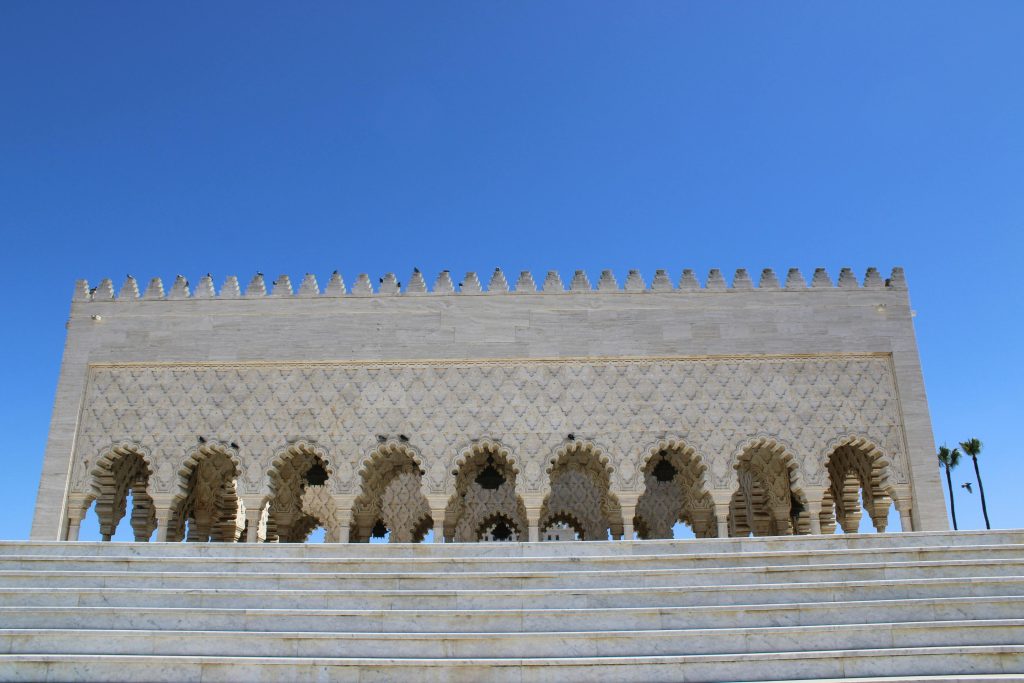
Next door, the Mausoleum of Mohammed V is a masterpiece of modern Moroccan architecture. Intricate zellige tilework, carved plaster, and a stunning green tile roof. Inside, the king’s tomb is guarded by mounted soldiers in red uniforms on white horses .
Timing tip: Arrive around 11 AM to watch the guard changing ceremony. Fridays are busiest and most ceremonial .
Kasbah of the Udayas
This 12th-century fortress sits at the mouth of the Bou Regreg river, overlooking the Atlantic . Inside, it’s a quiet neighborhood of white and blue houses, flower-filled alleyways, and cats sleeping in sunbeams. It feels like a smaller, quieter version of Chefchaouen—but with ocean views.
The Kasbah’s Andalusian Garden offers a peaceful respite with orange trees and fountains. And the platform at the top provides stunning views across the river to the neighboring city of Salé.
Movie buff note: Parts of “Mission: Impossible” were filmed here .
Chellah
This is my personal favorite spot in Rabat. Chellah is an ancient Roman city that was later turned into a medieval necropolis. Now it’s a sprawling archaeological site where Roman ruins mingle with Marinid dynasty tombs, all overgrown with gardens and visited by storks nesting on ancient columns .
It’s peaceful, slightly wild, and absolutely fascinating. The Roman section includes a forum, temples, and public baths. The Islamic section features a crumbling mosque and intricate tilework. And everywhere, you’ll hear the clatter of stork beaks—they nest here by the dozens.
Royal Palace
The official residence of the King of Morocco when he’s in Rabat. You can’t go inside (it’s a working palace), but you can walk along the exterior and admire the gates. The Meknes Gate is particularly impressive—elaborate zellige work and brass doors .
The surrounding area, with its wide boulevards and diplomatic compounds, feels like a different world from the medina.
Rabat Medina
Unlike the intense medinas of Fes or Marrakech, Rabat’s medina is relaxed and spacious. It’s a real working neighborhood—not just a tourist zone—with food shops, clothing stores, and daily life flowing through its streets .
What to buy: Leather goods, ceramics, and textiles at fair prices without the hard sell you’ll experience elsewhere.
Best Restaurants & Hotels in Rabat
Rabat’s dining and accommodation scenes reflect the city itself: sophisticated, understated, and excellent.
Where to Eat in Rabat
Dar Naji
Near the mausoleum, this is the place for tagine. Really good tagine. The lamb with prunes and almonds is a standout, and the prices are reasonable . It’s popular with locals and visitors alike—always a good sign.
Grilled Fish Stalls at the Kasbah
At the entrance to the Kasbah of the Udayas, you’ll find simple stalls grilling fresh fish. The sardines are spectacular, the calamis tender, and the prices low. Grab a seat, order some grilled fish and bread, and wash it down with mint tea .
Le Dhow
Dinner on a boat—specifically, on a converted Dutch barge moored on the Bou Regreg river. The setting is unique, the food is solid Moroccan-European fusion, and the views across to Salé are lovely at night.
La Mamma
For a break from Moroccan food, this Italian restaurant in the Agdal neighborhood delivers. Good pasta, better pizzas, and a warm, family-friendly atmosphere.
Café Maure
Inside the Kasbah of the Udayas, this tiny café serves mint tea and pastries on a terrace overlooking the river and ocean. It’s the perfect spot for a late afternoon break. Arrive early for a good seat.
Where to Stay in Rabat
La Tour Hassan Palace
This is the grande dame of Rabat hotels—a historic property that’s hosted kings, presidents, and celebrities. It’s elegant, slightly old-school, and absolutely lovely. The pool area is an oasis, and the location is perfect for exploring.
The View Hotel
Modern, sleek, and professional. The View offers contemporary design, excellent service, and a rooftop with—you guessed it—views across the city. Rooms are spacious and comfortable, and the breakfast buffet is extensive.
Riad Zyo
For a more intimate experience, this riad in the medina delivers. Just five rooms arranged around a central courtyard, with beautiful traditional decoration and genuinely warm hospitality. The rooftop terrace offers medina views.
Hotel Darna
A solid mid-range option in the Agdal neighborhood. Clean, comfortable, and professional, with good-sized rooms and helpful staff. It’s not fancy, but it’s reliable and well-located for the modern city.
Sofitel Rabat Jardin des Roses
French elegance meets Moroccan hospitality. The gardens are beautiful, the pool inviting, and the rooms luxurious. It’s a bit outside the center, but taxis are cheap and the peaceful setting compensates.
Pro Travel Tips: Making Your Asilah to Rabat Journey Smooth
After multiple trips along this route, I’ve collected some insider knowledge. Here’s what you need to know.
Best Time to Visit
Spring (March to May) and fall (September to November) are ideal . Temperatures are pleasant, crowds are manageable, and everything feels fresh. Summer (June to August) brings heat and crowds—Asilah’s population triples during peak season . Winter is mild along the coast, though you’ll want layers for evenings.
Special events: If you love art, time your visit for August’s Asilah International Mural Art Festival . Book accommodation months ahead. For Rabat, the Mawazine music festival in late spring draws international stars.
Money Matters
- Currency: Moroccan Dirham (MAD). It’s a closed currency—you can’t get it outside Morocco. Exchange at banks or official exchanges .
- Cards accepted: In hotels, nicer restaurants, and larger shops. But markets, small cafes, and taxis want cash .
- Tipping: Customary. 5-10% in restaurants, small change for guides and helpers . Public restrooms? Have 2 MAD ready .
- ATMs: Available in both cities, but carry cash for rural areas and smaller purchases.
Cultural Etiquette
- Dress modestly: Shoulders and knees covered in medinas and religious sites
- Photography: Ask before photographing people. Always .
- Greetings: A handshake with the right hand. “Salam alaykum” goes a long way .
- Alcohol: Available in licensed hotels and restaurants. Not in public or during Ramadan .
- Public behavior: Displays of affection are frowned upon. Keep it low-key.
Practical Tips
Visa: Many nationalities enter visa-free for up to 90 days . Check before you go.
Internet: Buy a local SIM at the airport—it’s cheap and works well. Or consider a portable WiFi device for instant connection without swapping SIMs .
Water: Drink bottled water. Tap water isn’t safe for visitors .
Medications: Bring what you need in original packaging. Pharmacies in cities are well-stocked, but specific medications may not be available .
Safety: Morocco is generally safe, but exercise normal precautions. Keep valuables secure, avoid poorly lit areas at night, and be aware of common scams . Asilah is particularly safe—”quiet, family-friendly” according to locals . For solo female travelers, stick to daytime exploration and use official taxis after dark .
Emergency numbers:
What to Pack
- Layers: Coastal Morocco can be cool and breezy even in summer
- Comfortable shoes: Medinas mean walking
- Scarf: For sun, for modesty, for style
- Sun protection: Hat, sunglasses, sunscreen. The Atlantic sun is strong
- Camera: Both cities are incredibly photogenic
- Power adapter: Europe-style, two round pins
Booking Tips
For taxis: Pre-book through a reputable service like Sinai Taxi. Fixed prices, English-speaking drivers, and peace of mind.
For trains: Check schedules on the ONCF website. The Al Boraq high-speed train is excellent but requires advance booking.
For hotels: Book directly or through reputable platforms. In Asilah, places fill up in summer. In Rabat, you’ll have more options year-round.
Book Your Ride Today!
Ready to experience the magic of Morocco’s Atlantic coast? The journey from artistic Asilah to elegant Rabat deserves to be comfortable, stress-free, and memorable.
When you book your private transfer through Sinai Taxi, you’re choosing:
- Fixed, transparent pricing—no haggling, no surprises
- Professional, English-speaking drivers who know the route
- Modern, air-conditioned vehicles for every group size
- Door-to-door service from your Asilah accommodation to your Rabat hotel
- Peace of mind with pre-booked, confirmed transport
The road from Asilah to Rabat winds along the Atlantic, connecting two of Morocco’s most captivating cities. Make the journey itself part of your adventure.
Book your Asilah to Rabat transfer today and travel Morocco the smart way.
Frequently Asked Questions
How long does it take to drive from Asilah to Rabat?
Approximately 2 hours and 15 minutes in normal traffic conditions .
How much is a taxi from Asilah to Rabat?
A standard taxi costs around 1,430 MAD. Pre-booked private transfers through services like Sinai Taxi offer fixed prices with modern vehicles .
Is there a direct train from Asilah to Rabat?
No, you’ll need to change trains in Tangier. The journey takes about 2 hours and 40 minutes including the connection .
What’s the distance between Asilah and Rabat?
About 204 kilometers .
Is the drive from Asilah to Rabat scenic?
Yes! Much of the route follows the Atlantic coast, with ocean views and coastal landscapes.
Can I book a luxury vehicle for this route?
Absolutely. Private transfer services offer everything from economy sedans to luxury vehicles for groups of all sizes.